

Gas Turbine Maintenance and Operation
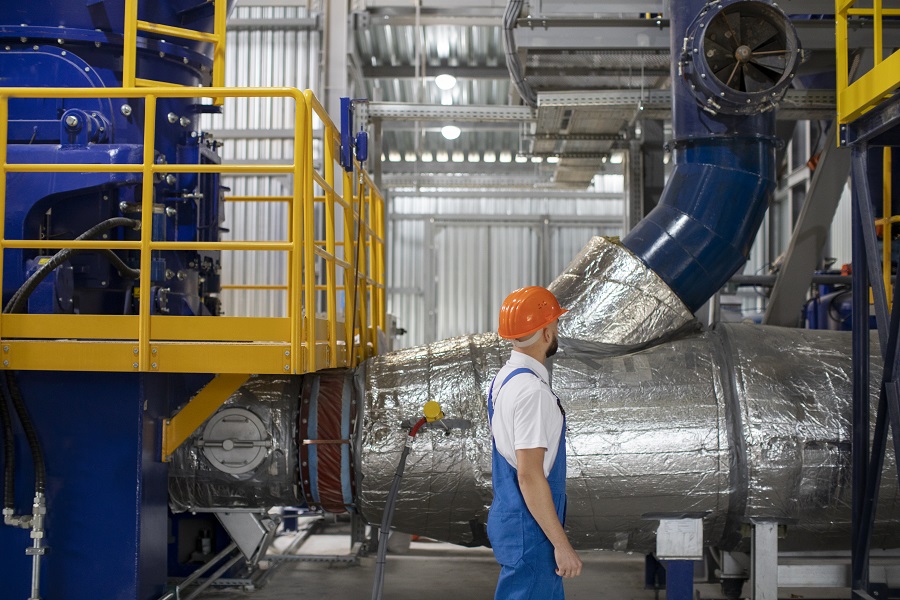
When you manage gas turbine systems, you focus on reliability, performance, and cost. You'll pay close attention to how components like turbine blades and compressors handle intense heat and vibration. Proper maintenance routines and timely inspections are crucial to avoid costly downtime. But how do you know which maintenance practices really make a difference, and what are the latest techniques to catch subtle issues before they escalate? The answers could transform your entire approach.
Key Components and Working Environment of Gas Turbines
A gas turbine comprises several critical components, each engineered to endure challenging conditions.
The air intake system plays a vital role by filtering out particles, thereby safeguarding internal components and enhancing efficiency.
The compressor then compresses this clean air to high pressures, setting the foundation for effective combustion.
During fuel combustion, turbine blades are subjected to extremely high temperatures, often exceeding 1300°C, and are responsible for converting thermal energy into mechanical rotation. The durability of these blades is crucial for maintaining overall performance.
Following this, a sturdy gearbox transmits power to the generator, designed to withstand significant vibrations.
Lastly, the exhaust system effectively expels gases, which helps in preventing corrosion.
The reliability of each component is critical to achieving optimal turbine performance.
Scheduled Maintenance Practices and Inspection Procedures
The efficient operation of gas turbines is contingent upon adherence to structured maintenance schedules and comprehensive inspection procedures.
Implementing disciplined maintenance routines and adhering to prescribed maintenance intervals are crucial in reducing wear and tear, thereby enhancing turbine efficiency.
Routine maintenance activities, such as checking and replacing filters, are fundamental to maintaining optimal airflow and preventing blockage issues.
It is essential to plan combustion inspections following a predetermined number of Factored Fired Starts to detect early signs of component degradation, particularly in fuel nozzles and liners.
Additionally, Hot Gas Path Inspections are conducted based on Factored Fired Hours to evaluate the condition of blades and shrouds for potential high-temperature damage.
Utilizing tools like borescope and thermography during these inspections aids in the early identification of potential issues, contributing to the extension of the turbine's operational lifespan.
Factors Influencing Gas Turbine Performance and Efficiency
The performance of gas turbines can vary significantly even under similar operating conditions due to several critical factors.
Inlet air temperature plays a crucial role; higher temperatures lead to lower air density, which negatively impacts turbine efficiency and performance.
The efficiency of the compressor is also vital; if the compressor can't maintain the required pressure levels, there's a noticeable decline in turbine performance.
The condition of the turbine blades is another important consideration.
Erosion or fouling of the blades can lead to a reduction in efficiency as it affects the aerodynamic properties of the blades.
Furthermore, the quality of the fuel used is a significant factor.
Impurities in the fuel or inadequate mixing can disrupt the combustion process, leading to energy losses and increased fuel consumption.
Gas turbine wet compression is another effective method to enhance efficiency, achieved by injecting a fine water mist into the turbine inlet.
As the droplets evaporate inside the compressor, they provide an evaporative intercooling effect that reduces compression work and delivers a substantial power boost of up to 20% or more, depending on the amount of water injected.
If you need wet compression for gas turbines, MeeFog is one of the leaders in this space. You can read more about their products here:
https://www.meefog.com/product/gas-turbine-wet-compression/
Additionally, real-time operational factors and maintenance schedules, particularly those based on factored fired hours, play a role in ensuring consistent turbine performance.
Regular maintenance and timely interventions can prevent performance degradation and extend the operational lifespan of the turbine.
Repair Techniques and Advanced Maintenance Methods
Precision is a key aspect of contemporary gas turbine repair and maintenance. Advanced tools and methods are employed to identify and address issues early, preventing them from escalating into more significant problems.
Routine maintenance often involves using borescopes to inspect hot sections of the turbine and employing thermography to detect temperature anomalies.
These techniques help in identifying emerging issues before they lead to failures.
Regular maintenance procedures include the removal and reapplication of protective coatings, which helps extend the lifespan of various components and mitigates corrosion.
In cases where damage is identified, techniques such as welding and heat treatment are used to restore components to their original specifications.
Prior to these reparative actions, nondestructive inspections are crucial to accurately assess the condition of the components.
Effective maintenance and repair require a balanced approach, incorporating thorough inspections, timely replacement of parts, and ongoing monitoring of critical components like fuel nozzles.
This methodical approach ensures that gas turbines operate efficiently and reliably.
Planning for Cost-Effective Gas Turbine Operation
Effective gas turbine operation requires a strategic approach to maintenance planning that aligns with both operational requirements and budgetary constraints.
Maintenance schedules should be primarily based on Factored Fired Starts and Hours, focusing on intervals that accurately reflect the operational stress experienced by the turbines.
It's essential to incorporate both manufacturer recommendations and operator expertise to ensure power generation assets operate at optimal efficiency.
A well-organized parts inventory is critical to prevent expensive failures and avoid unplanned outages.
Implementing digital solutions such as Asset Performance Management can facilitate the monitoring of control systems and turbines, thereby enabling efficient and predictive maintenance.
By balancing scheduled inspections with condition monitoring, operators can optimize both costs and reliability.
This approach ensures that maintenance activities are both timely and effective, supporting the long-term performance and sustainability of the gas turbine operation.
Conclusion
By staying on top of gas turbine maintenance and operation, you’ll get the most out of your equipment. Regular inspections, using modern tools, let you spot issues before they escalate. If you address wear and inefficiencies early, you’ll extend your turbine’s life and keep performance strong. With careful planning and smart repairs, you’re not just preventing downtime—you’re ensuring every run is cost-effective and reliable. Make proactive maintenance your ongoing priority for the best results.
